

Floating just off the coast of Southern California, Channel Islands National Park is a beautiful preserved wilderness that’s home to some wildlife found nowhere else on Earth. Visiting these islands for a day hike or overnight camping trip is like stepping into a fairytale Disney movie.
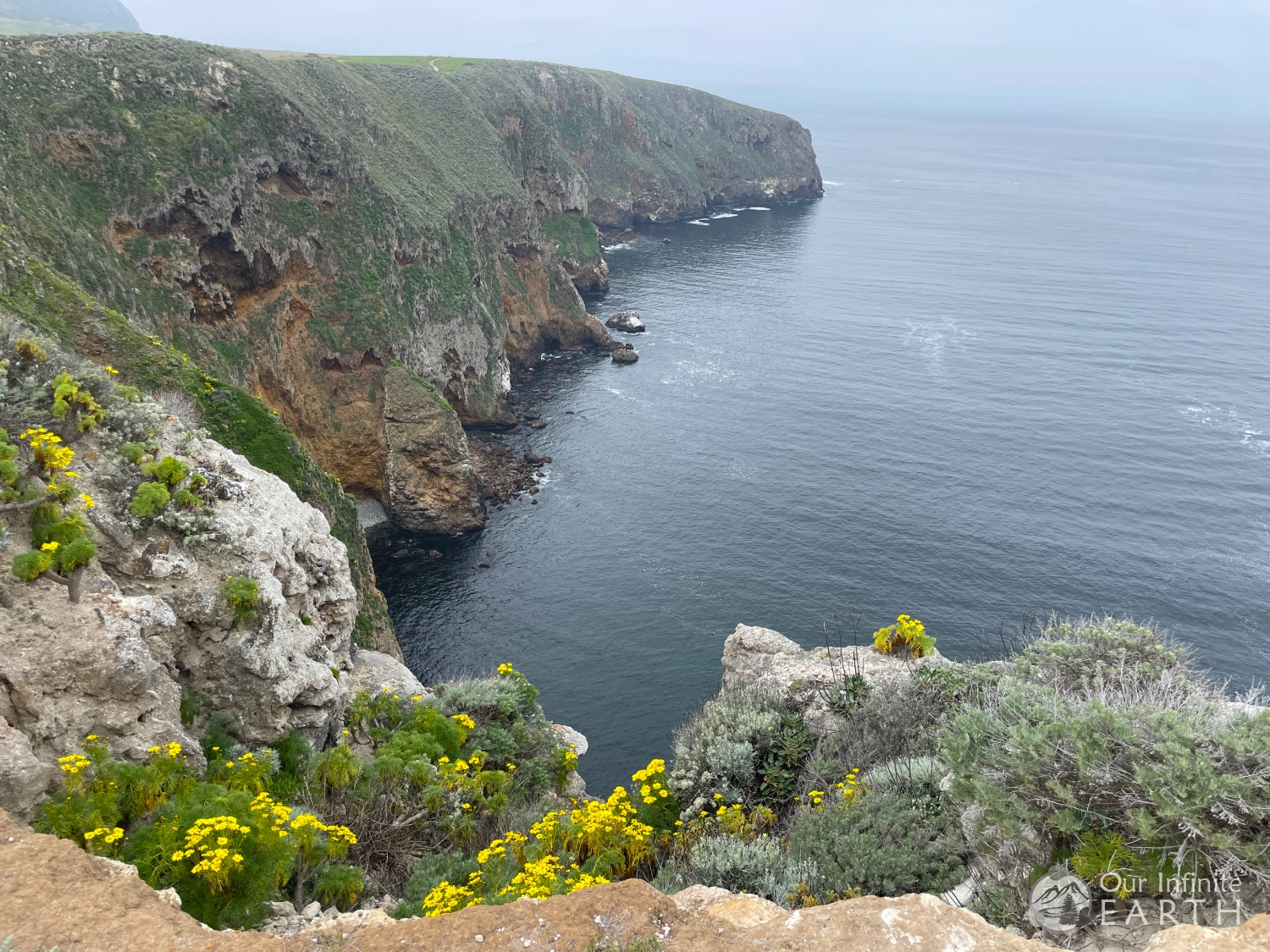
Wind-sculpted cliffs, kelp-full waters, adorable wildlife, and remote enough to feel wild without requiring a huge amount of logistics or planning to visit and enjoy.
We visited Channel Islands National Park for my birthday in April for one main reason – the once in a life time opportunity to go camping with wild foxes! This trip fulfilled all of my fox and wildlife dreams and exceeded my expectations for the encounters that we might be luckily enough to experience.
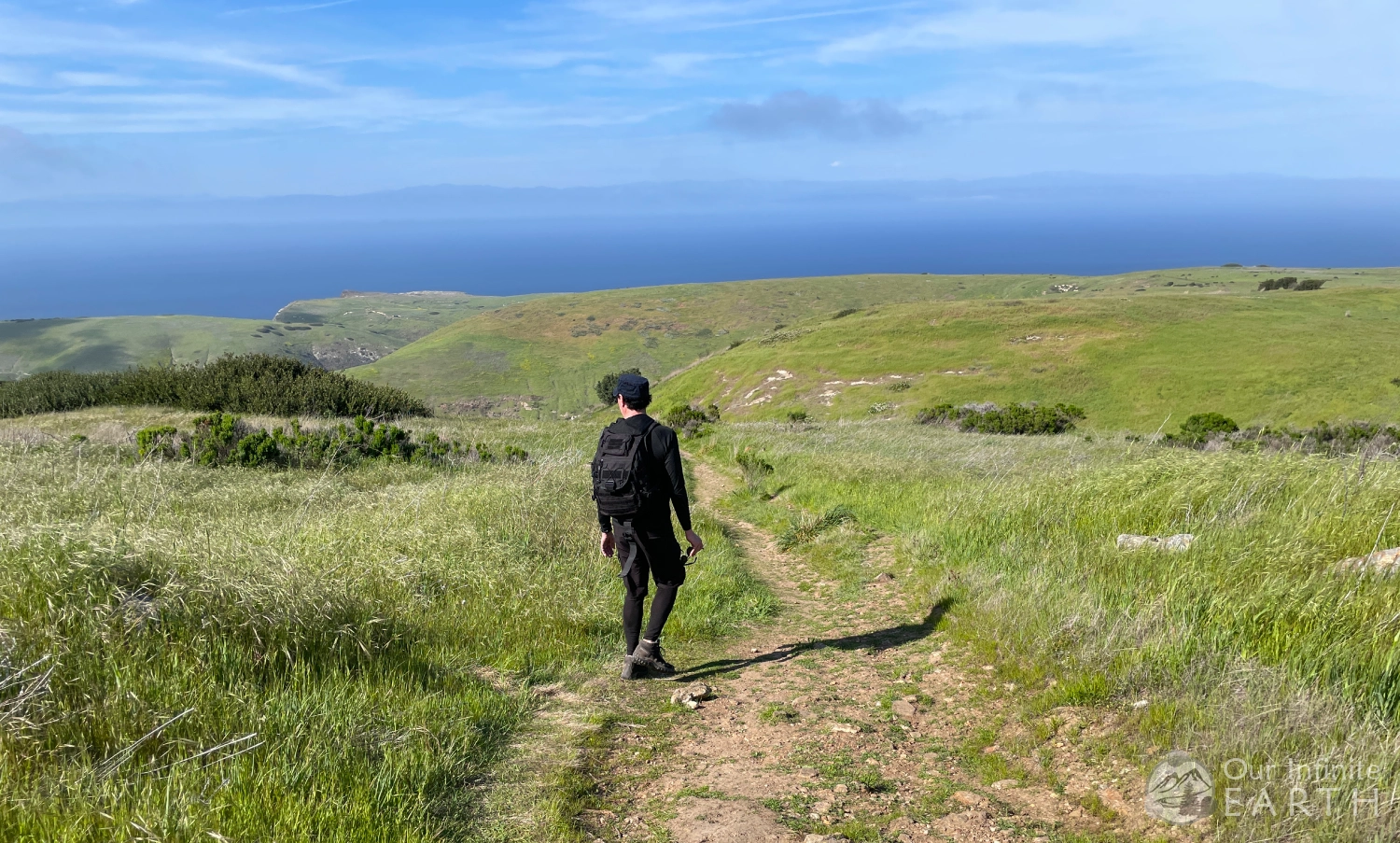
This guide covers everything you need to know to achieve a similar trip from why we chose to camp on Santa Cruz Island, to choosing the right campground, to booking reservations, ferry transportation, resource availability, where to find the foxes, hiking tips, and more.
Where are the Channel Islands located?
The Channel Islands are located off the coast of Southern California, in the Pacific Ocean, just west of Los Angeles and Ventura counties. The entire Island chain is a National Park, are not inhabited by humans, and offer limited amenities. There are no hotels or restaurants.

Most visitors access the islands from Ventura Harbor, which is about:
- 1.5 hours north of Los Angeles
- 30 minutes south of Santa Barbara
There is no cell service on any of the islands.
How to visit Channel Islands National Park
The only way to get to The Channel Islands is via a ferry or boat.

Private boats are permitted but require advanced planning and a permit to land on the islands.
There is no entrance fee charged to enter Channel Islands National Park.
If you are day hiking, you do not need any additional permits or reservations outside of the ferry.
If you are camping overnight, you will need an additional campground reservation/ permit (see the camping section below).
Most visitors travel via Island Packers Cruises, the only ferry servicing the park who are the official park concessionaire. There are different ferries with various departure times depending on which island you want to visit. Most ferries depart from Ventura Harbor.

The ferry ride costs anywhere between $70-180 round trip with rates depending on which island and the time of year. The ferry ride lasts approximately 1 hour and requires advance reservations.
MAKE YOUR RESERVATIONS EARLY. The ferry often sells out months in advance.
Carefully review the luggage limits, especially if you’re camping. Weather and sea conditions may affect schedules.
The Ferry Experience
The boat ride is a major highlight in itself.

This is not so much a direct ferry to and from the island and more of a marine animal watching cruise. The ferry takes approximately 1 hour because if there are whales, they will detour in attempts to get better views of the marine wildlife. Actual ferry times are between 1 – 1.5 hrs depending on the wildlife.

Dolphins frequently ride the boats. I’ve never seen so many dolphins! The ferry passed through multiple pods and there easily were thousands of them jumping all around the boat. It’s really a magical way to kick off the trip.

Whales are often spotted during migration seasons. Sea lions, pelicans, and other marine wildlife are common sights. During our crossing, we saw probably a dozen whales who were very willing to show us their tails and fins. One of the whales surfaced so close to the ferry that the passengers on the deck were sprayed with the ‘breath’ of its blow hole.
When is the best time to visit?
The best season overall is spring through early fall due to calmer seas and warm weather, though summer mornings often have “June gloom” coastal fog.

The best time to visit for wildlife viewing is early spring. Our visit in mid April was ideal. This is the end of peak whale watching season (December – April), which increases the likeliness of seeing whales from the ferry. And it’s still pretty warm in the sun during the day for hiking, without being too hot. The nights did get a bit chilly, but still comfortable with the right clothing.
The best time to visit for snorkeling, kayaking, or other water activities is the summer to early fall due to the warmer ocean temperatures. However, there is a reduced chance of wildlife encounters and hiking around the island will probably be very hot, too hot for me.
- Spring: early fall: best weather, calmer seas, great wildlife viewing
- Summer: warmest water, great for kayaking/snorkeling
- Winter/early spring: unpredictable weather, lower crowds, cool nights
Which Island Is Best for Fox Encounters?
Santa Cruz Island is the best island to see and interact with the foxes.
The island foxes are native to three of the islands: Santa Cruz, Santa Rosa, San Miguel.
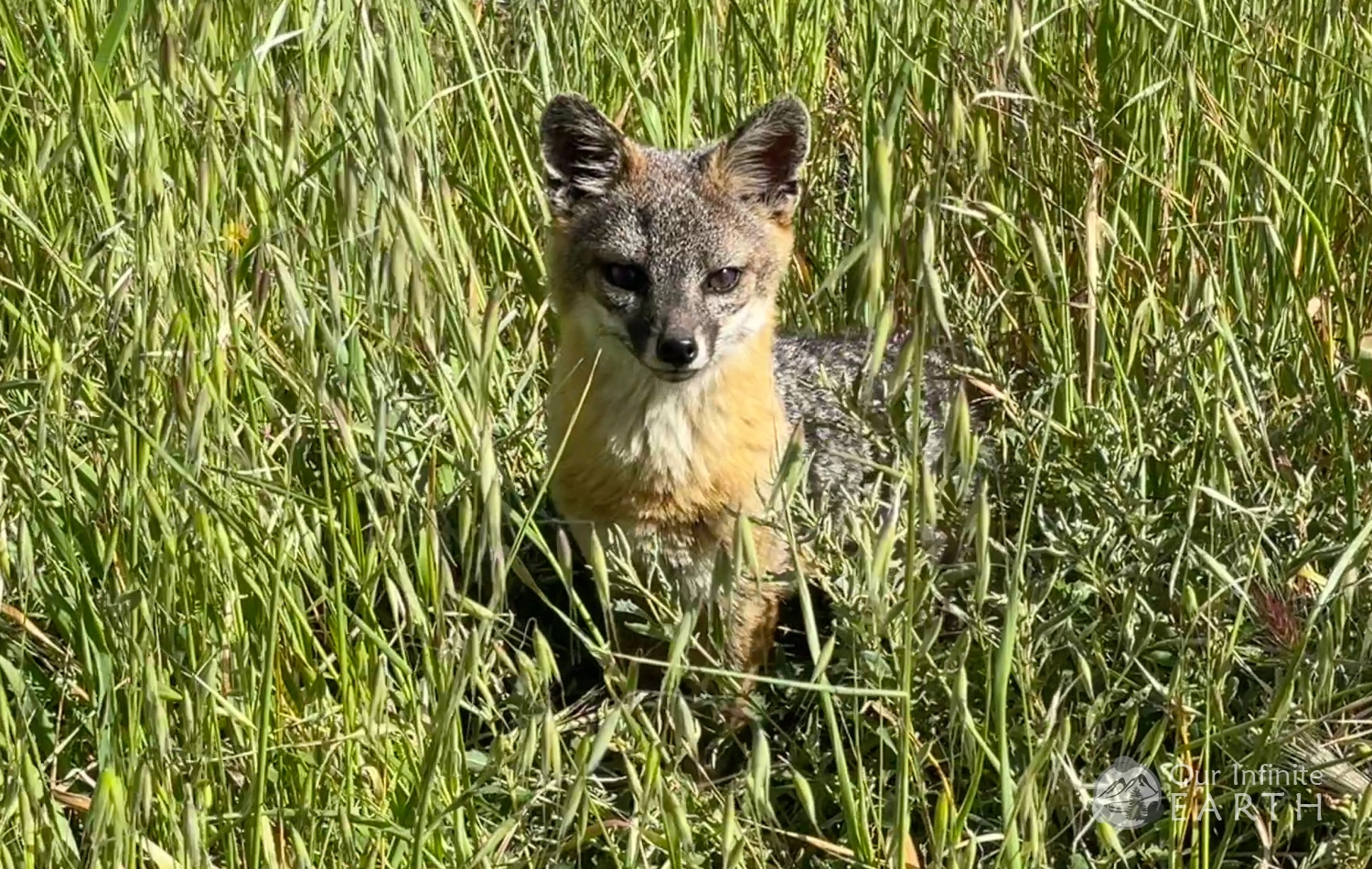
Santa Cruz Island has the largest population of foxes. They’re pretty much everywhere on this island. Every time we passed the entry visitor’s center, there was a fox sitting outside it, seemingly welcoming everyone to the island.
Also, this island has the most campgrounds and foxes are especially common around campgrounds as they are scavengers. They are not shy and don’t have any natural predators on the island. They have no fear of humans and see the campers as a good way to get food (though feeding them is strictly prohibited).
The foxes seemed to be more active in the early morning and evening, before and after the first and last ferries have left. If you wanna see foxes, camping will give you a better chance than doing a day hike.
Highlights video of our trip
Camping on the Channel Islands
Camping is permitted on five of the Channel Islands: Santa Cruz, Santa Rosa, San Miguel, Santa Barbara, and Anacapa. However, not all islands are equal when it comes to accessibility, amenities, or recreational opportunities.
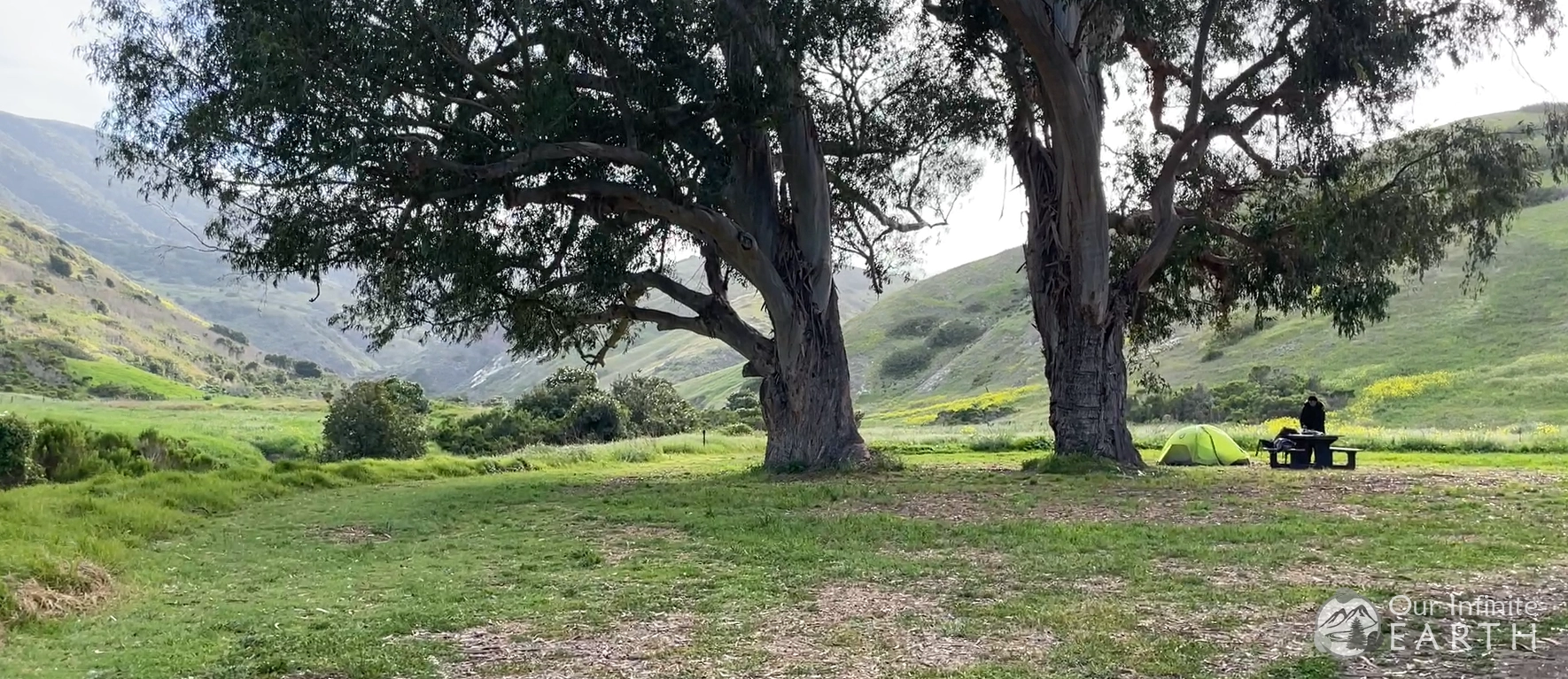
All campgrounds require a permit/reservation and are $15 per night per site.
All campgrounds are equipped with picnic tables and pit toilets. No fires are allowed and no trash containers are provided – pack it in, pack it out. There is also no on-island transportation. Campers must carry (or drag) all of their gear to the campgrounds.
Due to scavenging animals (foxes, ravens, birds etc.), campers are required to store all food and trash in animal proof containers. Big metal food storage boxes (commonly called bear boxes, here they’re called fox boxes) are provided at campsites.
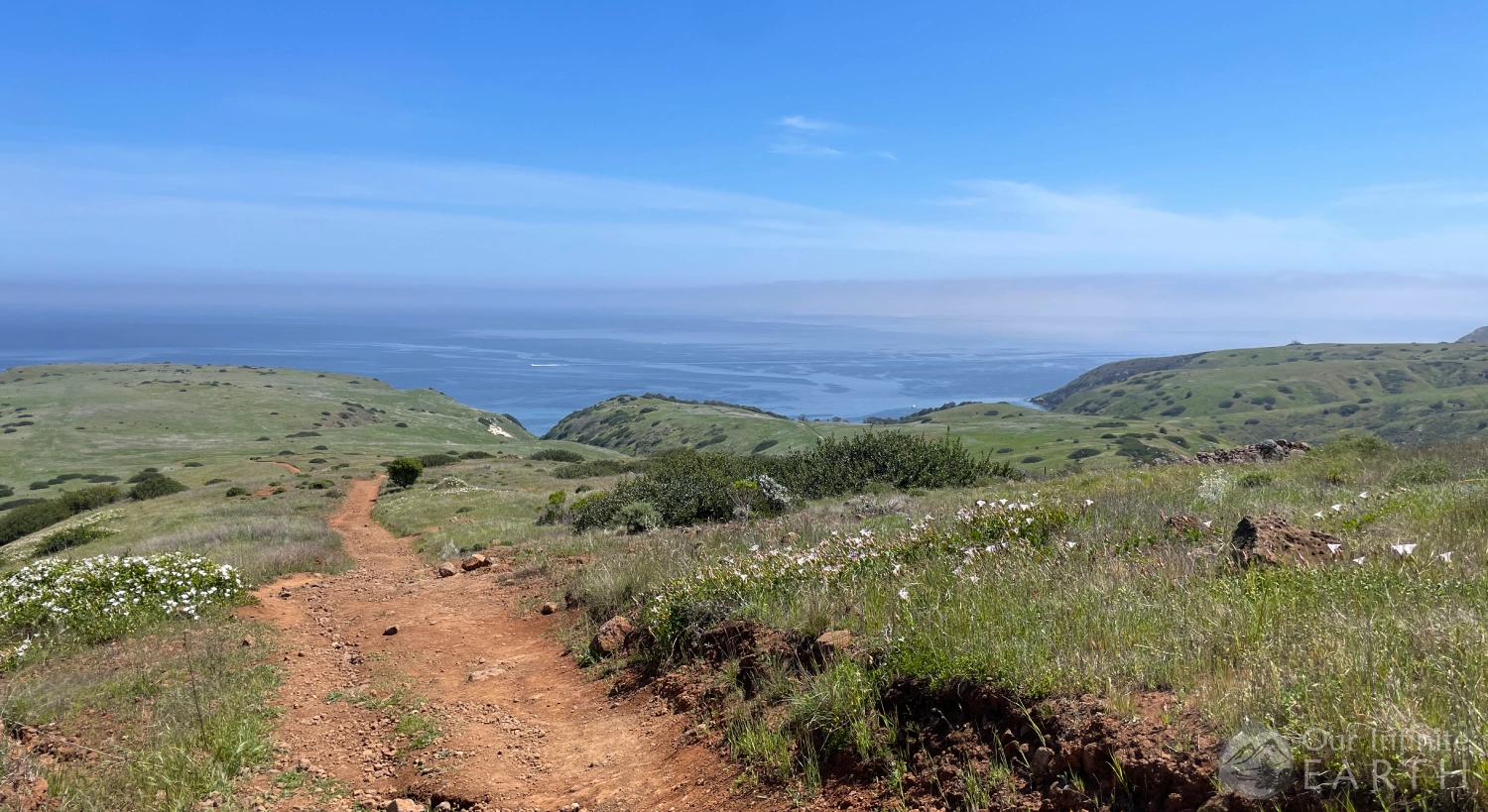
Santa Cruz Island
Is the most visitor-friendly and hospitable island for camping, which also makes it the most popular and common.
There are 2 landing points on the island – Prisoners Harbor and Scorpion Canyon.
Scorpion Cove/ Scorpion Anchorage/ Scorpion Canyon (all the same thing) has 2 campgrounds, established hiking trails, a robust kayaking infrastructure, and potable drinking water at the main campground. The campgrounds are accessible for those with a wide range of fitness capabilities.
There are 31 available campsites at Scorpion Cove between the two campgrounds. The distance from landing to the first campground is less than .5 miles. The second campground is accessible by continuing along the trail for another .5miles (less than 1mi total).
This makes the campgrounds popular and easy to access. While you do need to bring all of your own gear, you can bring wagons to move easily transport your gear from the ferry landing to the campground.
At Scorpion Cove, foxes and ravens are capable of opening zippers and it’s suggested to use safety pins, twist ties, paper clips, etc. help keep zippers closed.

Backcountry camping is allowed at Del Norte near Prisoners Harbor, but there are no campgrounds at Prisoners Harbor itself. There are very few true backcountry camping spots available on the islands.
If you are not an experienced hiker or backpacker, or if you have kids, Santa Cruz is the island for you. The rest of the islands require a higher level of fitness and are better suited for more those who are more experienced being in the backcountry.
San Miguel Island
Incredibly remote, often windswept, and best suited for experienced backpackers comfortable with rough seas and strict ranger oversight.
There are 9 available campsites that come with an additional wind shelter, and no dispersed backpacking or camping outside of these campsites is allowed. No water is available. The distance from the ferry landing to the campground is 1 mi up a steep canyon.
Santa Rosa Island
Offers vast landscapes and solitude. There are 15 campsites that come with an additional wind shelter. Potable water is also provided at the campground. The distance from landing to campground is 1.5 miles.
Backcountry beach camping is also allowed during certain seasons.
Santa Barbara Island
Is small, steep, and far from the mainland, with limited hiking and camping options.
There are 7 campsites and no dispersed backpacking or camping outside of these campsites is allowed. No water is available. Distance from landing to campground is .25 mi and includes a steep climb.
Anacapa Island
Primarily supports day use and has very limited overnight opportunities.
There are 7 campsites and no dispersed backpacking or camping outside of these campsites is allowed. No water is available. Distance from landing to campground is .5 mi and includes a 157-stair climb.
Why We Chose Santa Cruz Island
First and foremost – the foxes. My entire dream for this trip was to be a Disney princess surrounded box foxes and wildlife, and we pretty much got exactly that.

Aside from having the best fox viewing opportunities, Santa Cruz was also the easiest logistically with several ferry options throughout the day. Potable water was available and there were several hiking opportunities.
The campgrounds are also down in the canyon as opposed to up on the bluffs. This provides additional shelter from the wind, which was fairly strong.
The biggest downside to this island is the crowds. It’s the one that gets the most traffic, including day hikers, school field trips, families, etc. You won’t have a secluded camping experience, however we still found some solitude when hiking to some of the further areas of the island.

Santa Cruz Island is the largest island and offers the widest variety of experiences including sea kayaking (rentals available), snorkeling, hiking, and wildlife.
How to Reserve a Campsite / Get a Permit
All Channel Islands campgrounds (and backcountry permits) are reserved through Recreation.gov. Campsites are released 6 months in advance on a rolling basis. Meaning that, the campsites for each month are released on the 1st of the month of the 6th month prior. Example: all campsites for July are available on Jan 1st.
Spring, Summer, and Holiday weekends often book out within minutes.
Check in/out times for the campsites are 11am.
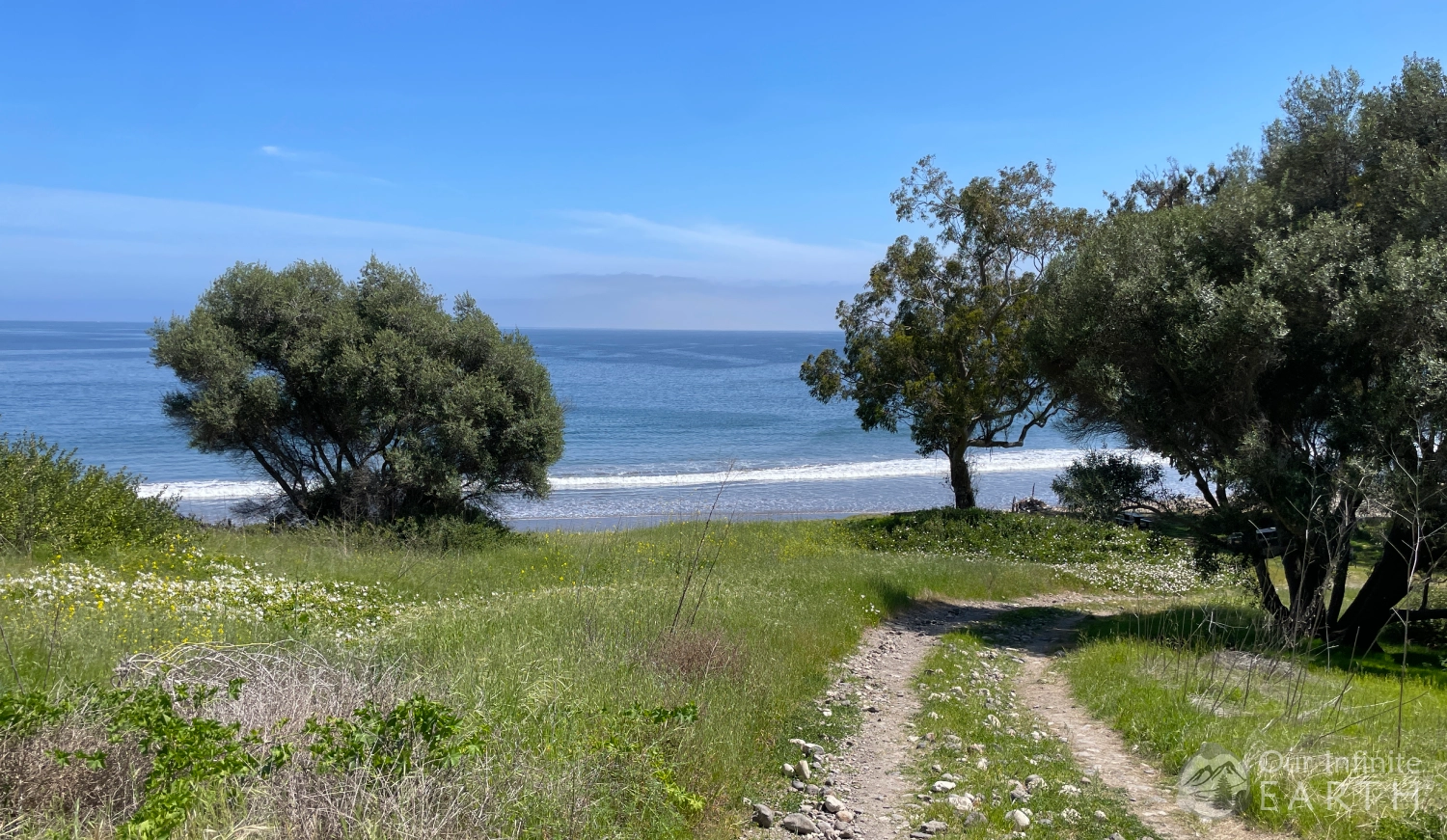
There are lockers / storage boxes available at the ferry landing on Santa Cruz.
This was our biggest concern in planning the return ferry – if we wanted to go hiking for the day, but had to be out of our campsite by 11am, where would we store our gear?
The boxes at the port are not actual lockers (they don’t have a lock and key), they are the same food storage bear boxes that are available at the campsites. But they are large enough to store 2-3 backpacks in one box and are a safe place to leave your gear while you hike around the island.
Lower vs. Upper Scorpion Campground
Scorpion Canyon Campground is divided into two general areas: lower and upper sites, though little to no elevation difference between them. The upper sites are further back in the canyon and are accessed by walking through the lower campground.
These are very close, pretty much right next to each other, barely even two separate campgrounds, but there are a few pros and cons:
Lower Campground
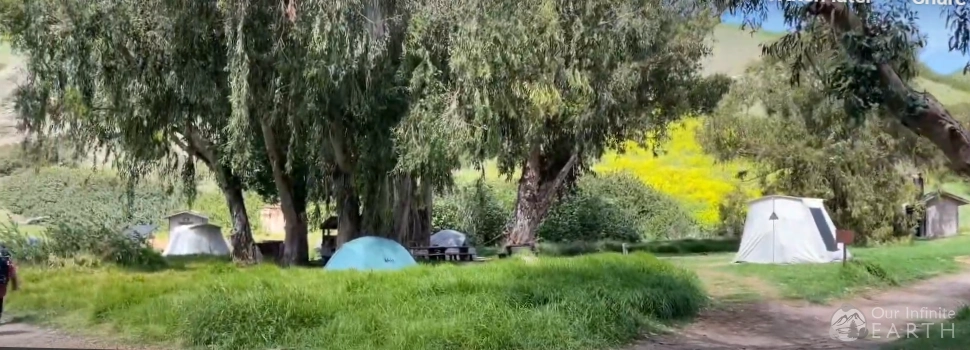
- Less than .5mi from the dock.
- More potable water spigots.
- Closer to kayaking rentals and main trailheads (by approx. .5mi).
- More foot traffic.
- Day hikers more likely to use these pit toilets.
Upper Campground
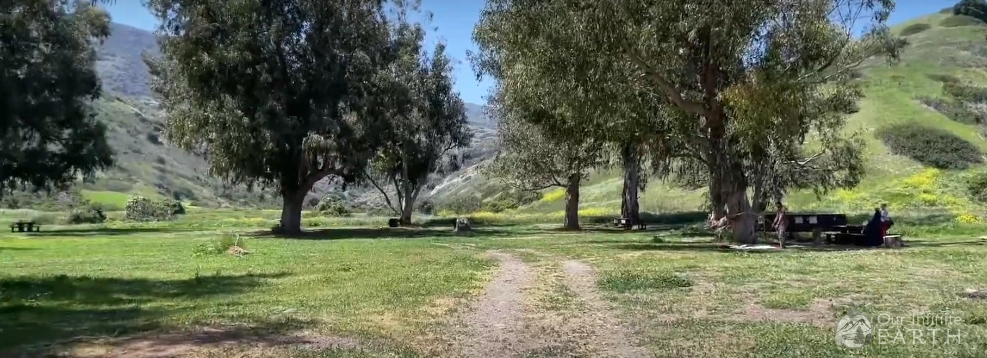
- Additional approx. .5mi from the dock.
- More privacy.
- Bigger and more separation between sites as these sites are meant for larger groups.
- Group sites could be louder at night.
- Day hikers more likely to use these pit toilets.
We chose the upper campground and a site that was the furthest back in hopes that this would encourage more foxes to come visit.
Then Reserve The Ferry
While campsites are useless without boat access, getting a campsite is more competitive than getting a ferry ticket. Once you have your campsite, then get your ferry ticket as soon as possible since ferry tickets often sell out just as quickly.
Ferry tickets are booked one-way separately (not round trip) and are refundable up to 14 days before departure. I booked our ferry to the island right after getting our campsite reservation. Then I waited a few weeks before booking the return ferry ticket because I wasn’t sure what time of day we would want to leave the island. When I went to book our return ticket, all of the return tickets for the day were sold out. We had no way of getting off the island. I called Island Packers Cruises and they were kind enough to squeeze us onto the last boat of the day.
What to Expect When Visiting The Channel Islands
This will vary depending on the time of year for your visit, your activity level, and how much you want to explore.
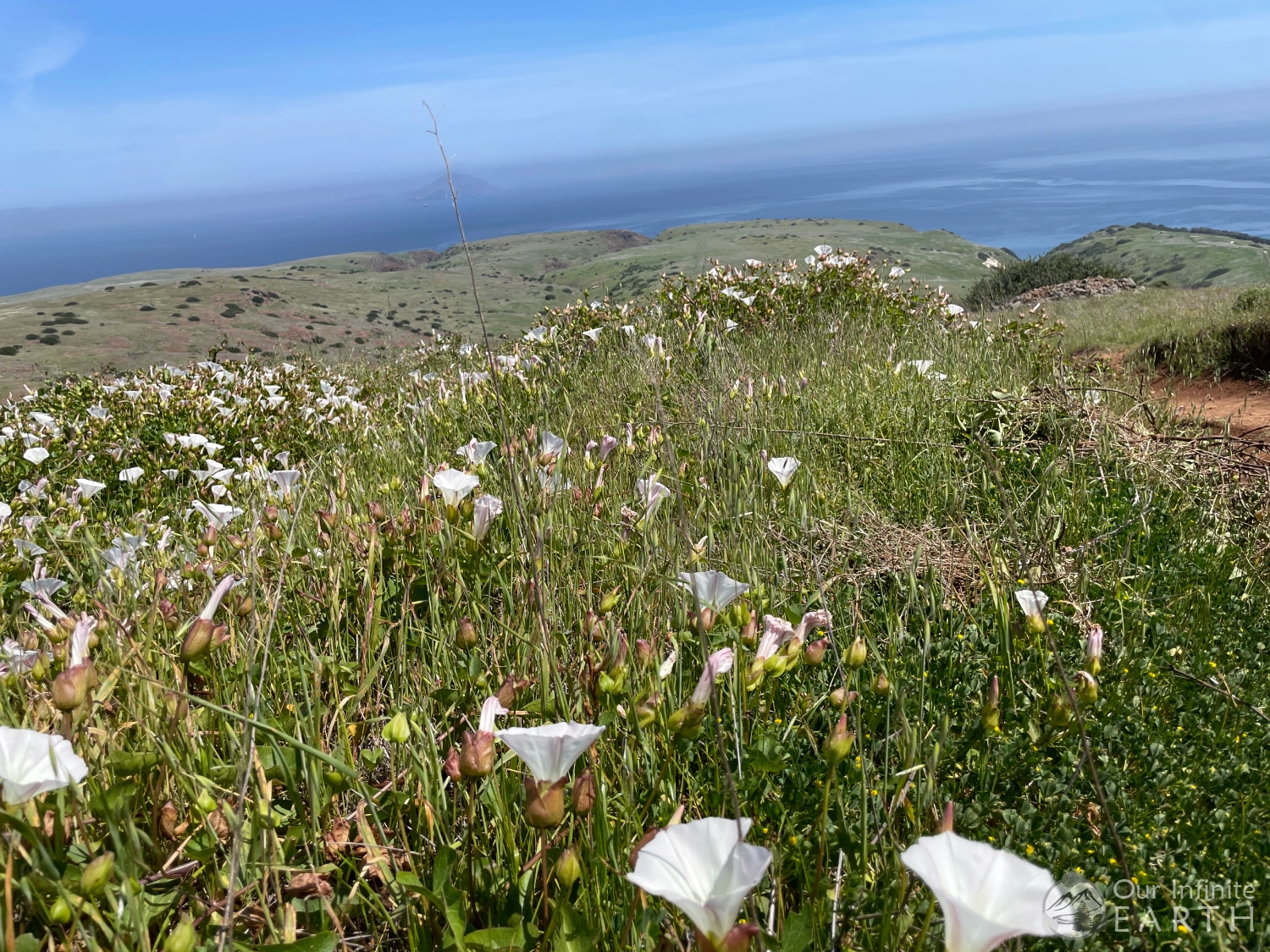
Wildlife Encounters
There’s a huge amount of wildlife on these islands as they are protected and undisturbed by humans.
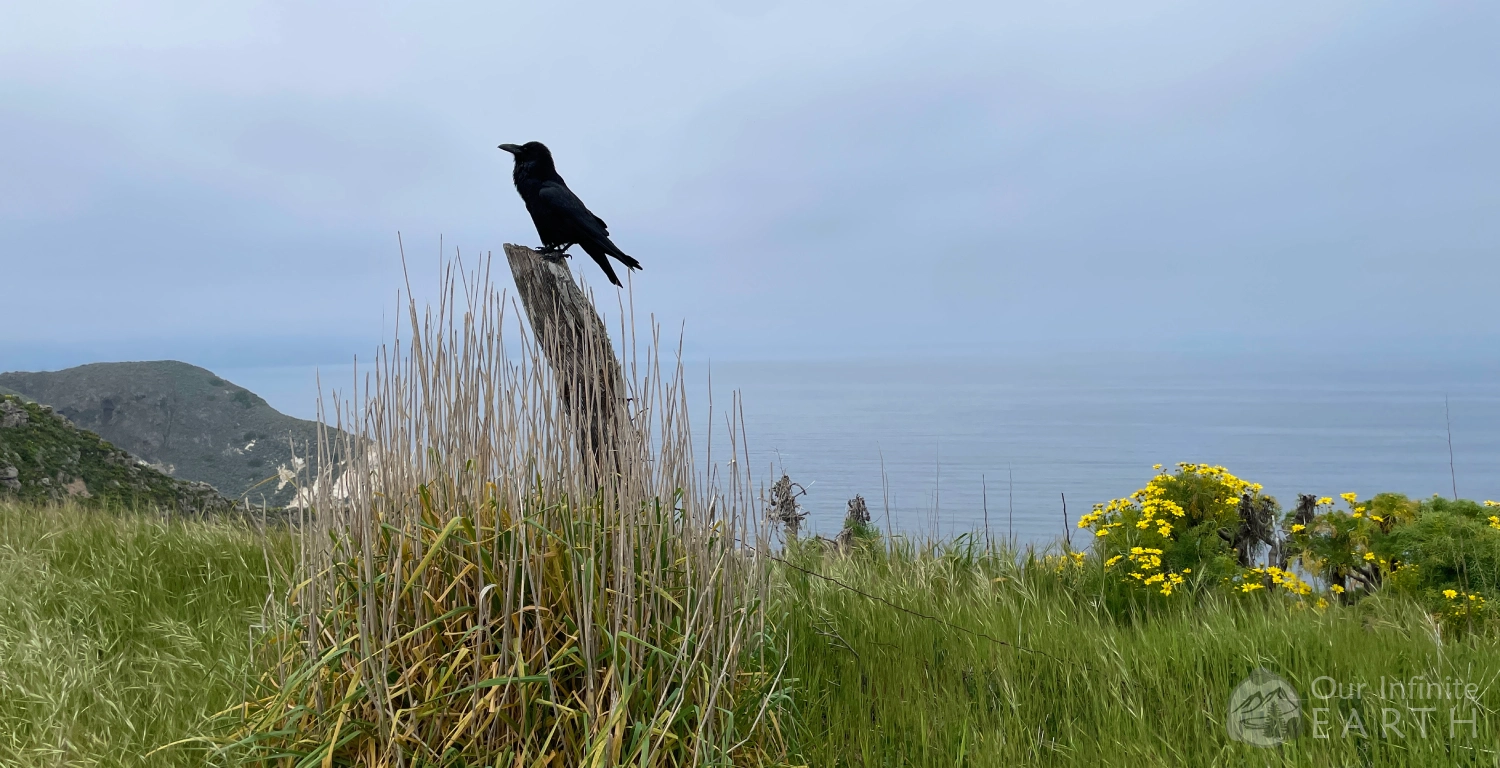
During the ferry crossing, there are commonly many pods of dolphins, humpack whales, gray whales, sea lions, seals, and a variety of sea birds.
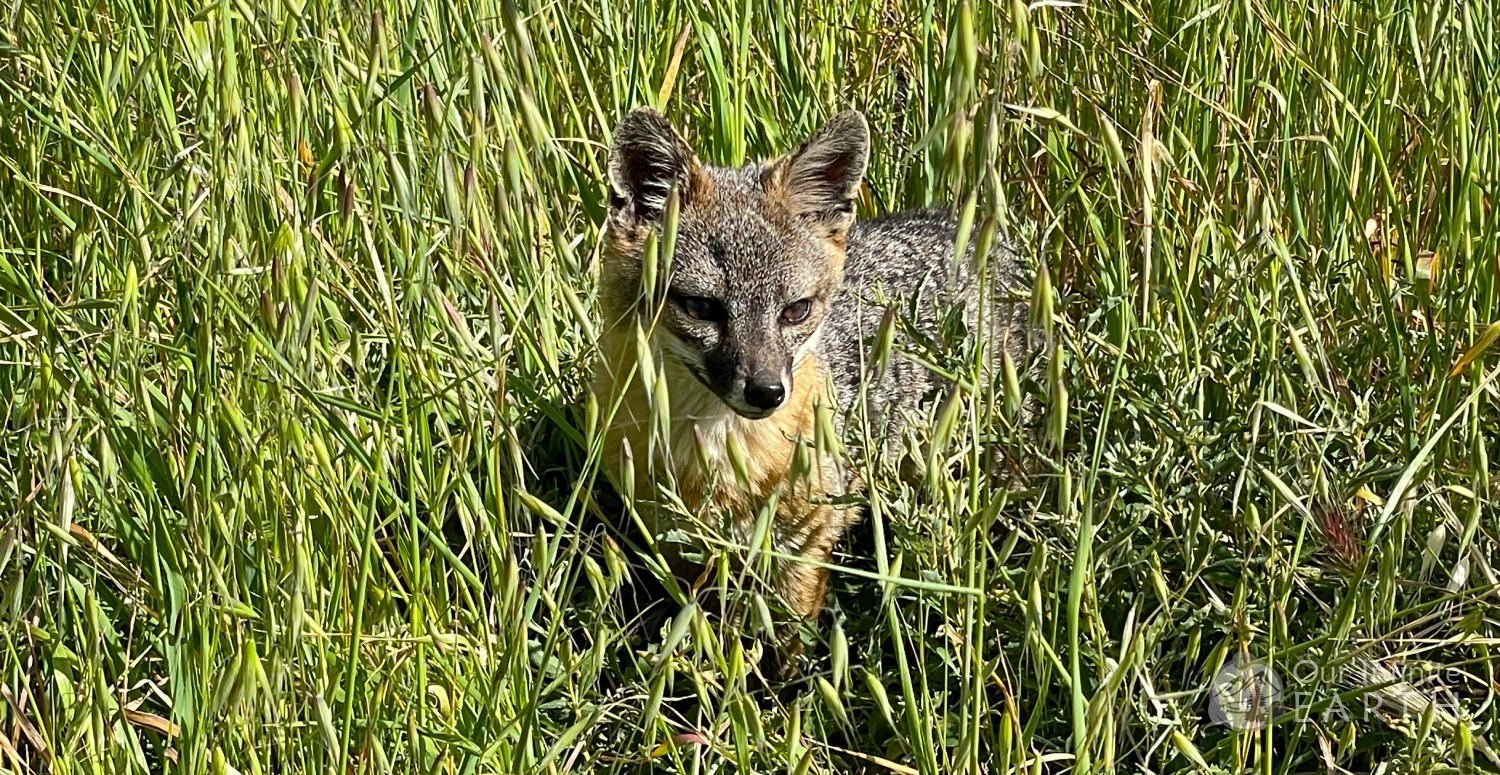
On land, Santa Cruz Island is home to several endemic species. The Island Foxes and Island scrub-jays live only on The Channel Islands, nowhere else in the world. There are also lizards, raptors, and coastal birds.
I’ve mentioned that all I wanted out of this trip was a fox encounter and I got that many times over. The foxes are all over the campground and visitor center.
We also saw several foxes along the trail to Smuggler’s Cove, which was an unforgettable experience. We were hiking back to Scorpion late in the day and saw a fox hunting in the tall grass less than 2-feet from the trail. Completely unphased by our presence. If this wasn’t cute enough, another fox shortly joined and they started grooming and playing with each other. Right in front of us, not a care in the world. Making such cute fox squeaks and nuzzles. It was everything that I could have possibly hoped to get from this trip.
We did not however, see any foxes when we hiked on the other side of the island to Potato Harbor.
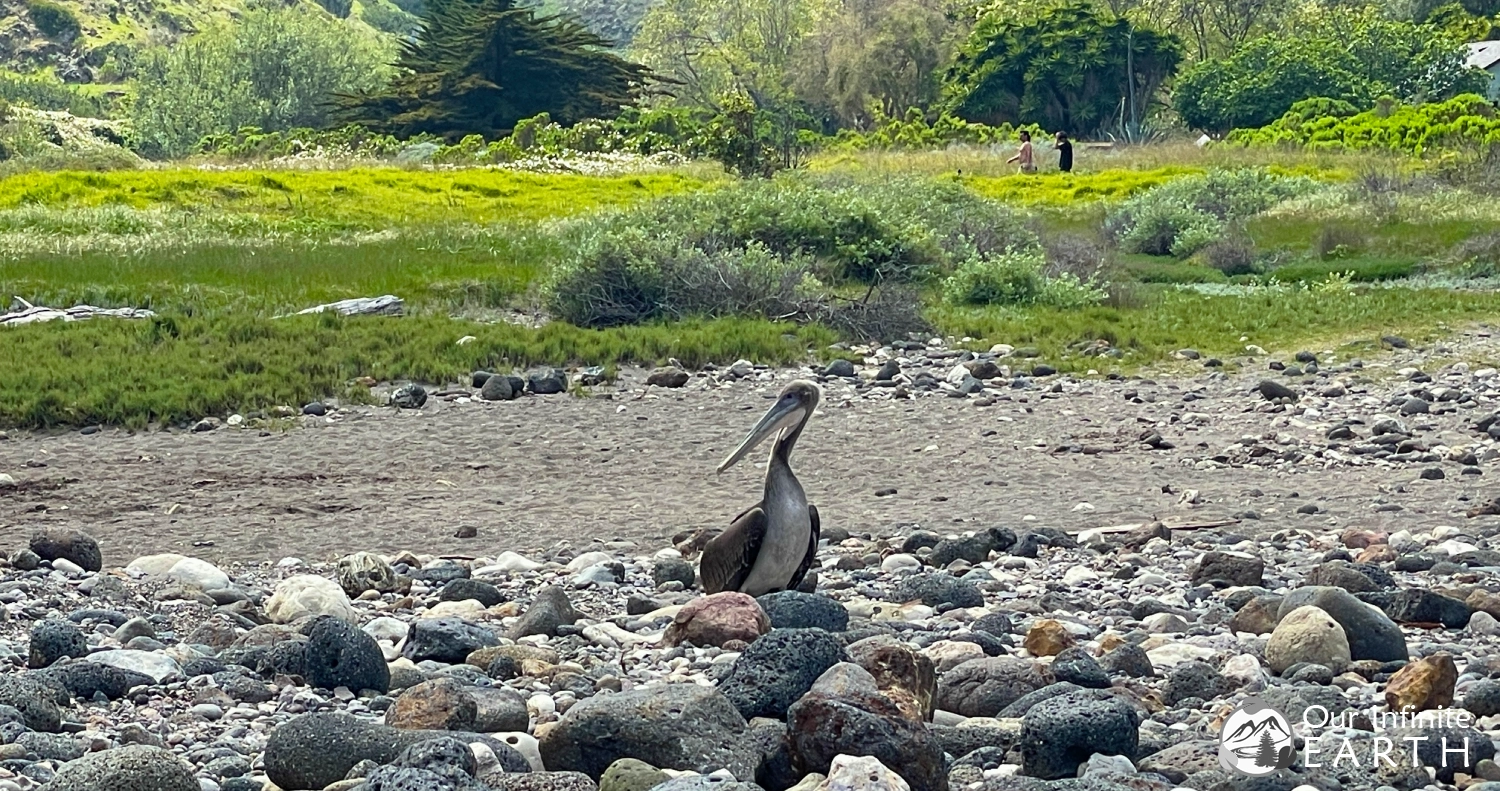
There were also some pretty close and cool bird encounters with pelicans who also didn’t care that we were there.
Hiking on Santa Cruz Island
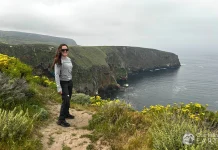
Santa Cruz Island offers some of the most scenic hiking in the Channel Islands. I image that it’s somewhat similar to what it would be like hiking in Ireland.
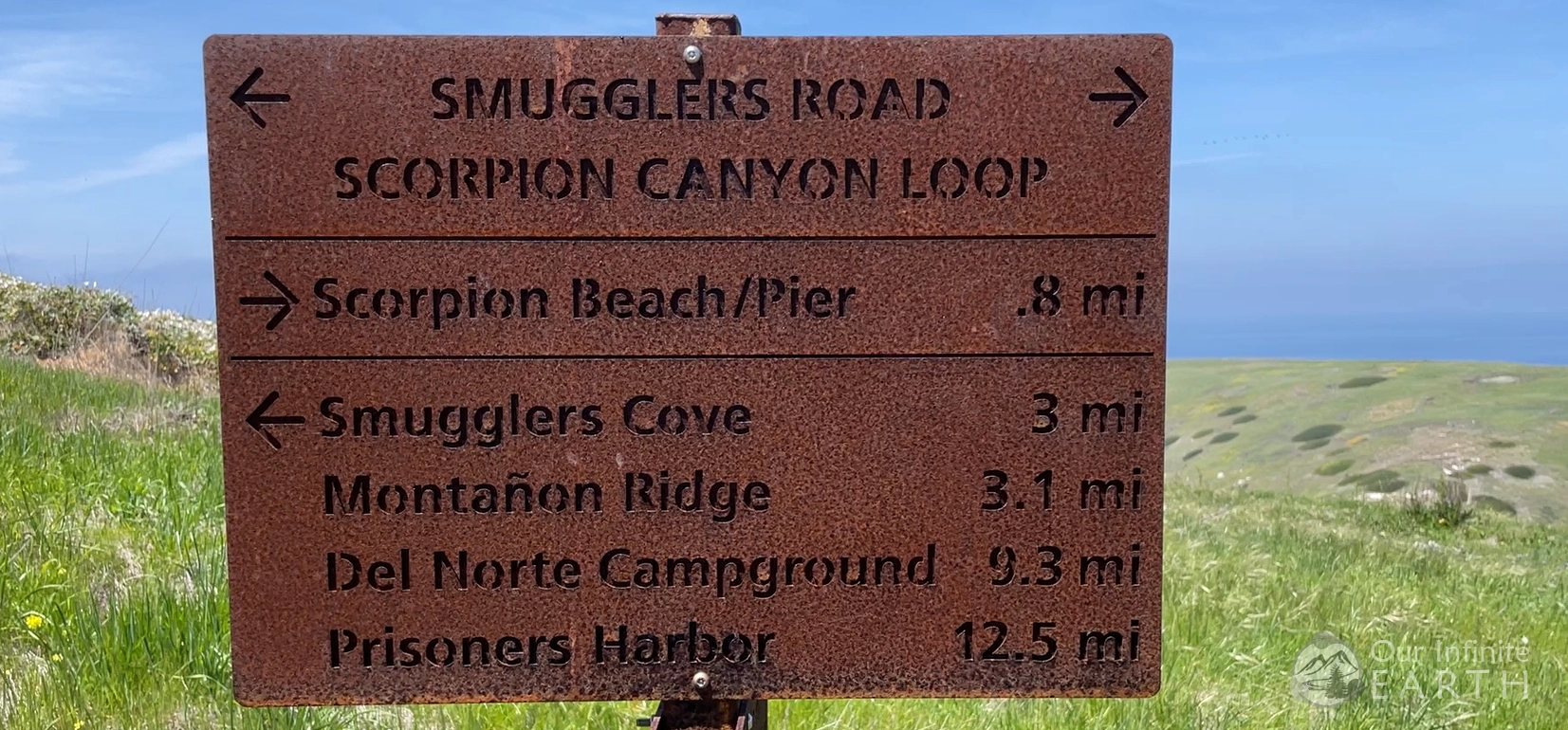
Popular trails from Scorpion Canyon include:
- Cavern Point Loop – A short 2mi hike with dramatic coastal cliffs and panoramic ocean views.
- Scorpion Canyon Loop – A moderate 4.5mi loop exploring the island’s interior landscapes.
- Potato Harbor Overlook – A moderate 5mi hike with no beach access, but great coastal vistas.
- Smugglers Cove Trail – A longer, 8mi strenuous hike leading to a remote, stunning beach on the island’s north side.
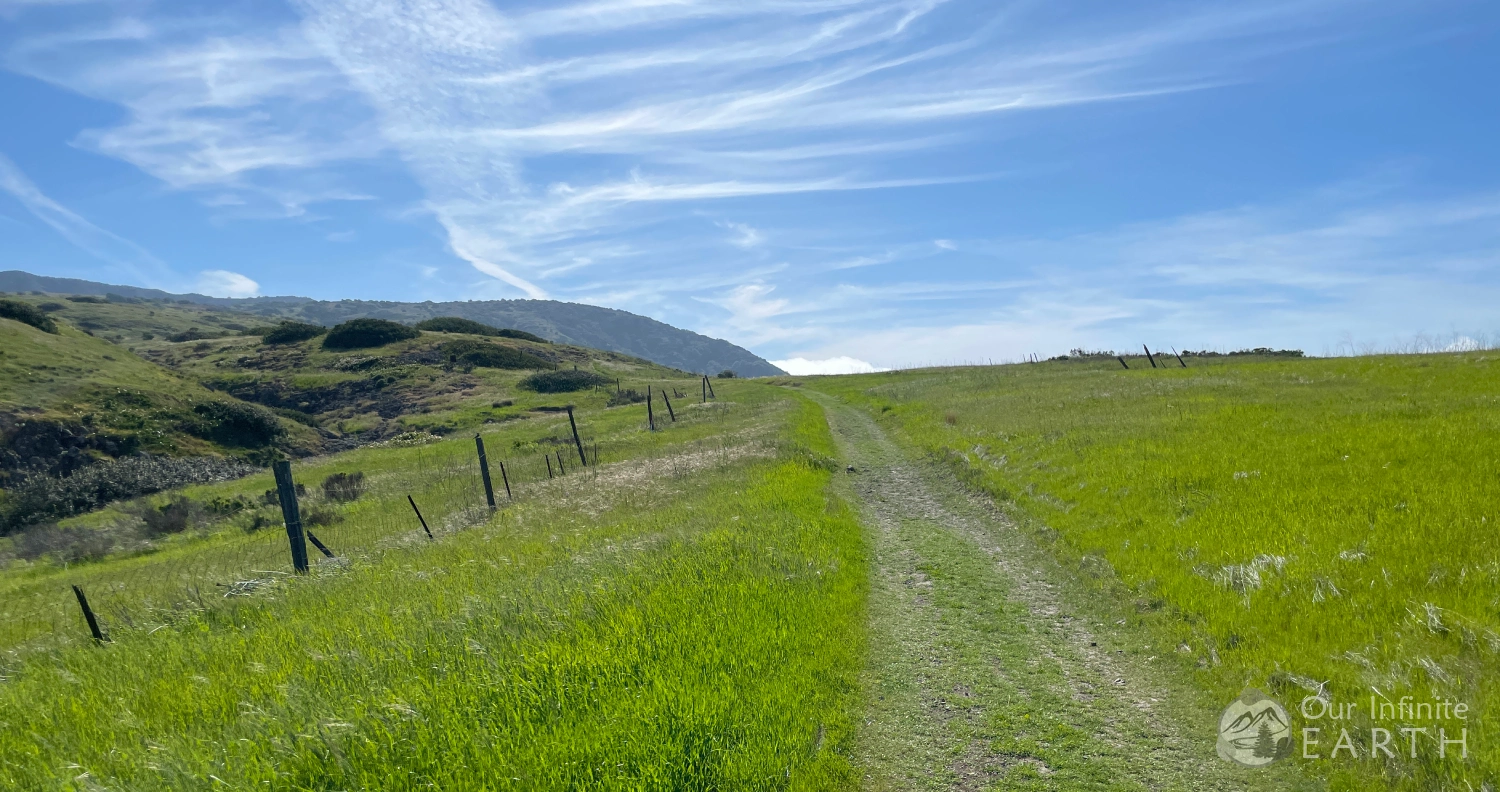
All trails are exposed with little shade climbing up out of the canyons and over the coastal bluffs. Sun protection and adequate water are essential.
Kayaking, Snorkeling & Ocean Exploration
Santa Cruz Island is the only island in the park where kayak rentals and guided sea cave tours are available directly on the island.
Authorized outfitters operate from Scorpion Anchorage, making it easy to combine camping with kayaking without transporting gear from the mainland.
Kayaking here offers sea cave exploration, marine wildlife, kept forests, and stunning coastal scenery.
Snorkeling is also popular near Scorpion Beach, where clear water and rocky reefs support diverse marine ecosystems.
Is Santa Cruz Island Worth It?
Yes, we loved this trip and are planning on returning with our family.
The wildlife was fantastic, the views are gorgeous, and the logistics are relatively easy.
While the crowd factor is high during the day with the day hikers, the evenings are quiet once the last ferry leaves.
For travelers seeking a true wilderness experience this is one of the most rewarding camping destinations in the National Park system.